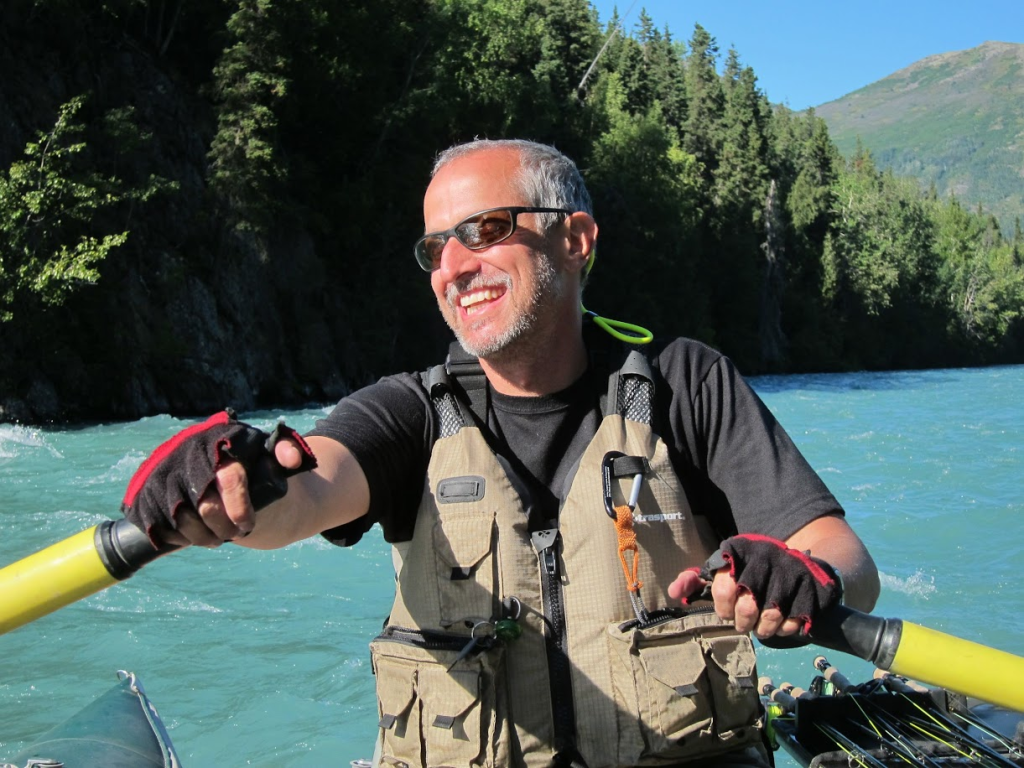
For thirty years I lived in Alaska. The Kenai River was where I went to fish, to think, to stand in the current and let the world fall quiet. Some mornings the water was glass. The Upper Kenai empties into Skilak Lake, and the only way home is across it. Some days that lake kicked up two-to-three-foot glacial waves that could become six-footers in minutes — forty-five minutes of open crossing before the nearest shore, no beach, no bailout, just a 700-foot-deep cold-water lake and a decision about whether you were going. Unless it was over three feet, I went.
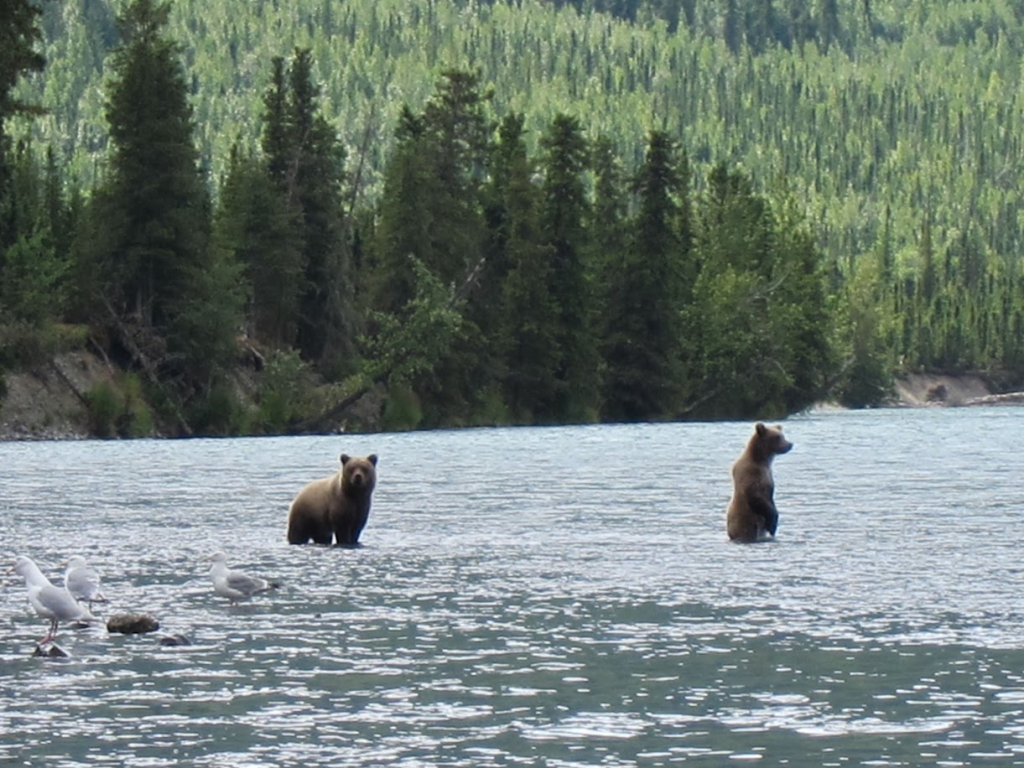
Bears were a constant on the Kenai. They fished the same runs I fished, worked the same banks, followed the same salmon returns. They were a daily reminder that I wasn’t at the top of anything. The whole ecosystem, every living thing on that river, revolved around the salmon coming home. Being in that current was the closest I’ve ever come to understanding where I fit.
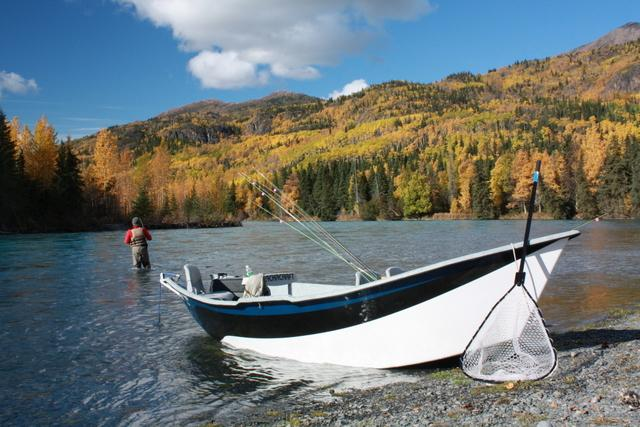
I didn’t know it then, but I was writing the novel in my head for years before I ever put a word down. When Yedi and Dee stand in the Sava with their fishing lines cast and the afternoon stretching out ahead of them, I was writing about the Kenai. When Dee remembers the sound of his father singing off-key and scaring every fish for kilometers, I was writing about a feeling I know — that the fishing was never really about the fish.
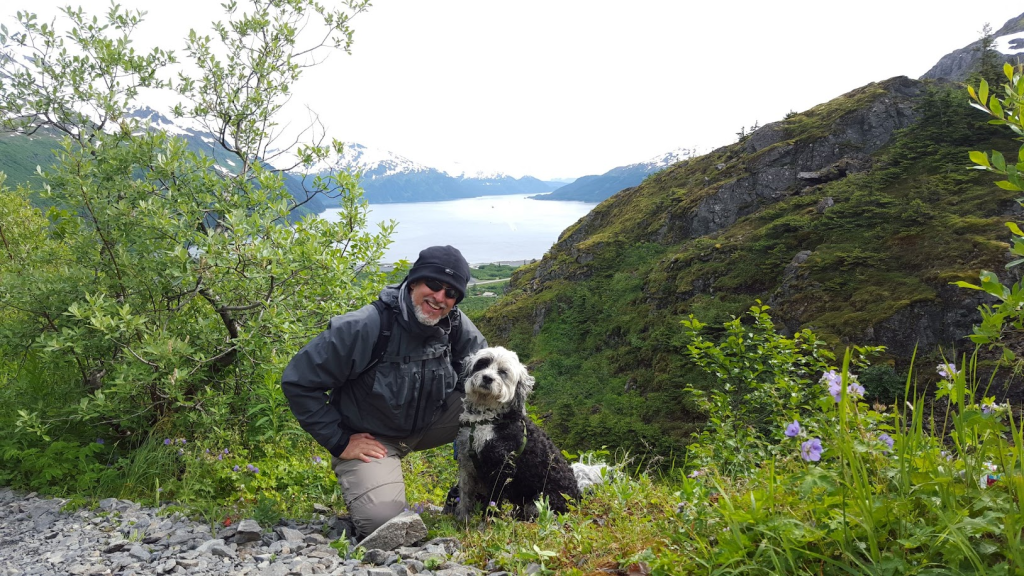
This is Ozzy. He was a Tibetan Terrier, chosen because he was non-shedding, big enough to climb onto the raft himself, and small enough to fit in a tent with my wife and me. He caught fish out of the Kenai with his bare mouth. He liked pancakes. He was fiercely protective of the family and didn’t care much for other dogs. He was deathly afraid of ironing boards and the folding of laundry, he’d run and hide until it was over. No idea why.
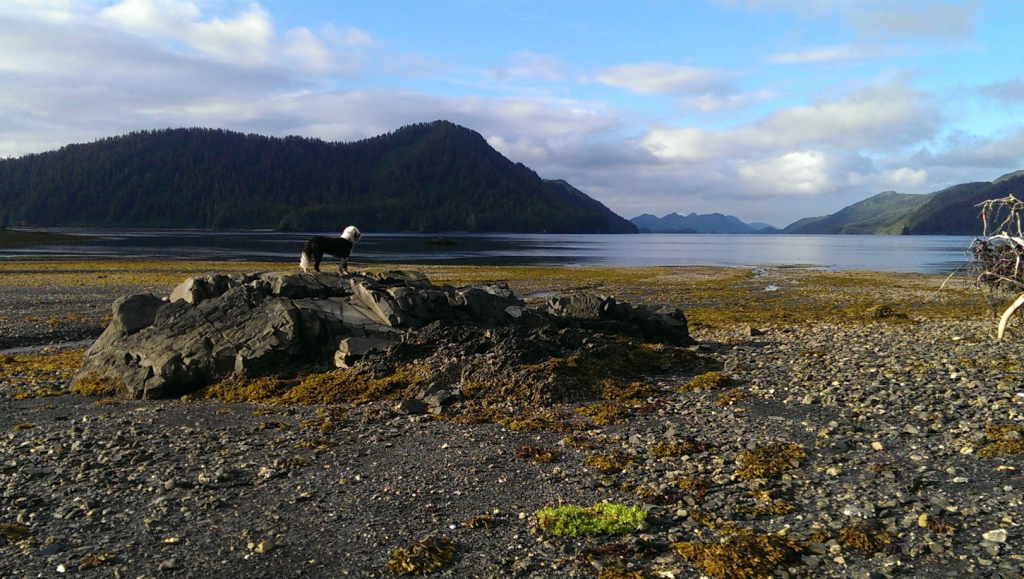
In the novel, a fourteen-year-old boy named Dee has a Labrador named Pika who sleeps at his feet and tries to protect the family when the soldiers come. I wrote that dog knowing exactly what it means to love an animal who thinks he’s braver than the world he’s standing in. Ozzy lived to be thirteen. On his last day, he howled in a way I’d never heard from him, then went outside and lay down beneath a tree in the gravel, a spot he’d never chosen before. I sat with him and I knew.
He wasn’t with me when I wrote the book. But he’s in it.
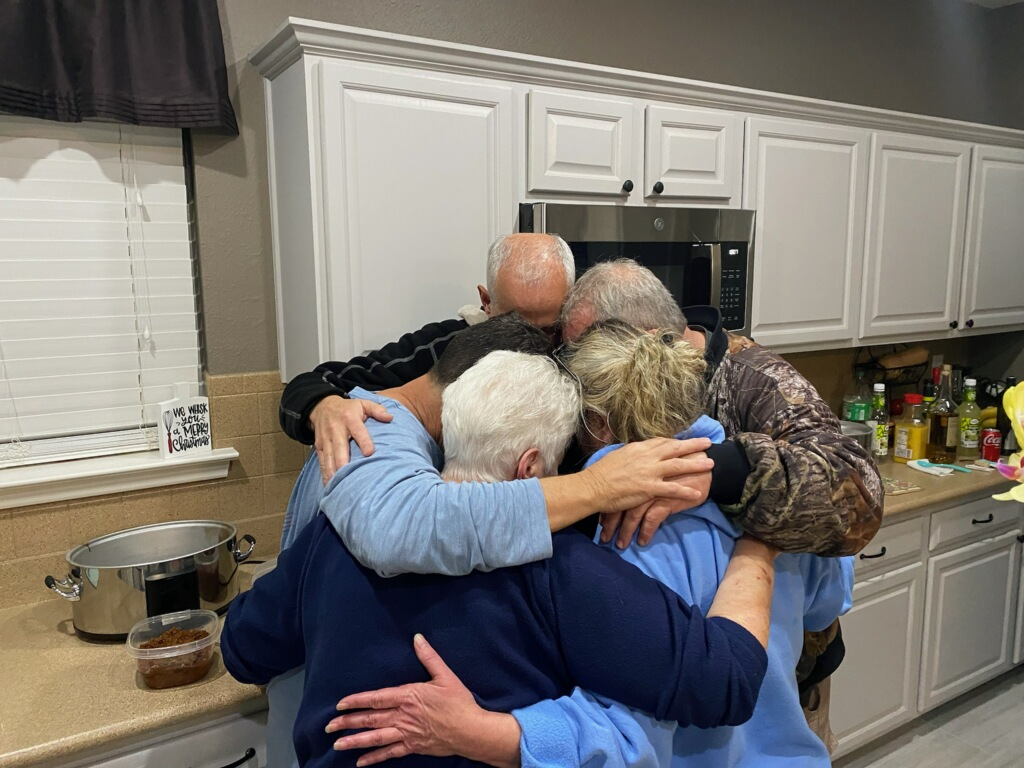
This photograph was taken at Christmas. It was the first time I had seen my family since my diagnosis, and the last time I saw my mother before she passed.
I have a neurological condition that changed the way I move through the world. The breathing techniques my characters use, the grounding, the counting, the reaching for something solid to hold, those aren’t research. When Dee clutches a carved wooden top to steady himself, when he teaches a frightened boy to breathe before the panic takes him, I was writing from my own body.
The condition also brought me face to face with a question I hadn’t earned the right to ignore anymore: what is this life for? The answer became the words a father speaks to his son while they’re fishing, words the boy carries for years without understanding them. I won’t quote the line here. You’ll know it when you reach it.
My mother is the white-haired woman in the center of that hug. The character of Gran — the fierce, grieving, fearless woman who charges an SS colonel with a cleaver to protect her family — was based on her. Rest in peace, Mom.
The family name Stanica was my father’s name in Romania before it became Stanley. My mother came from England. When I needed a name for a family caught between empires — a Romanian father, a British mother, a son who belongs to both worlds and neither — I already had one.